ServicesMetal Roofing
Metal Roofing in Keystone Heights
A metal roof can stay on your home for decades, long after a shingle roof would have come off twice. That only holds if the panel type suits your home and the details are done right. We explain each option in everyday words, then install your pick over a deck we've checked board by board.
What a Metal Roof Is, and When It Makes Sense
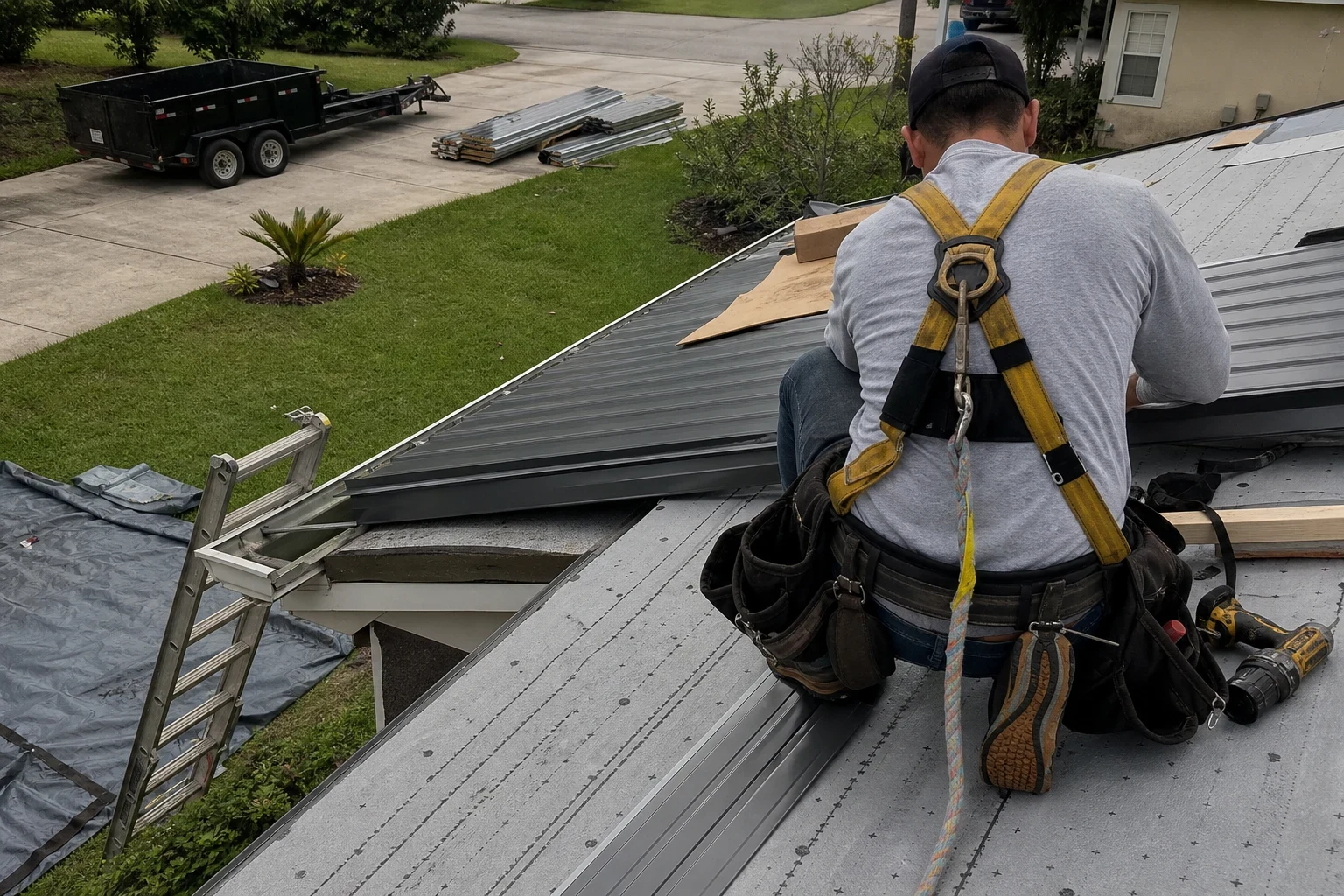
Most homes that go metal get one of two systems. Standing seam has raised seams that lock together, with the fasteners hidden under the panel. Clips hold it down and let the steel move as it heats and cools. Exposed-fastener panels, often called screw-down or 5V, are screwed straight through the face. They cost less up front, but the rubber washers on those screws age in the sun and need checking over the years.
Metal is a good call when your current roof is due for replacement and you plan to stay a long time. It sheds summer downpours fast, reflects a lot of heat, and holds up well to wind when it's fastened to the pattern the permit calls for. If you're only a few years from selling, a new shingle roof may be the better spend. We'll tell you which way we'd lean and why.
What Comes With a Metal Roof From Us
Strip-down and deck review
The old roof comes off down to bare wood. Any soft or rotted decking is replaced before new material goes on, and you get photos of what we found.
Heat-rated underlayment
Beneath the metal we lay a synthetic underlayment made for the heat that collects under steel. It's the backup layer if water ever slips past the panels.
Panels with full trim
Drip edge, rake trim, ridge cap and foam closures are installed along with the panels. The closures block blowing rain, wasps and small animals at the ridge and eaves.
Flashing around each opening
Most metal roof leaks start at plumbing vents, chimneys and walls. We seal each one with boots and trim built for metal instead of relying on caulk.
Permit and sign-off
We get the permit and fasten the panels in the wind pattern it calls for. The job isn't finished until the inspector approves it.
Daily and final cleanup
We pick up metal shavings and dropped screws at the close of every work day. On the final day, we run a magnetic sweeper over the lawn, beds and driveway so no sharp bits stay behind.
Signs It's Time to Think About Metal
Your shingles are worn out
Bald spots, curled edges and granules piling up in the gutters mean the roof is near the end. That's the natural time to price metal against shingles.
Rust or loose screws on an old metal roof
Surface rust at the screw heads or panels that lift at the edges point to washers and fasteners that have given up. Sometimes a re-screw is enough. Sometimes the panels are done.
Leaks along the screw lines
Drips that line up in rows across a ceiling often trace back to exposed fasteners. Our roof repair page covers fixing that when the panels are still sound.
Repairs after every storm
If you're patching the same roof year after year, a system that sheds wind and rain better may cost less over time.
A hot attic
A reflective metal finish over good underlayment can take some of the bake out of the attic in summer.
How a Metal Roof Job Goes
- 1
Free estimate visit
We get on the roof, measure it and check the deck from the attic. Then we sit down with you and explain standing seam versus screw-down on your actual roof.
- 2
Written estimate and permit
You get the scope line by line, including panel type, gauge, color and trim. When you give the go-ahead, we file the permit paperwork. The panels are then made to the measurements we took on each slope, so they arrive ready to hang.
- 3
Tear-off and dry-in
We open up only as much roof as we can cover before quitting time. Every stripped area gets underlayment before the crew leaves, so your home isn't exposed if an afternoon storm rolls in.
- 4
Panels and trim
Panels go on, then flashing, ridge cap and closures. Most homes take a few days depending on size and how cut up the roof is.
- 5
Final walk and cleanup
We walk the roof with you, point out the details, sweep the yard with a magnet and get the final inspection scheduled.
What Sets the Cost of a Metal Roof
A metal roof runs higher up front than shingles, and how much higher depends on things we can only judge on your roof. Your estimate lists each of them so you can see where every dollar goes. Financing is available if you'd like to pay over time.
- Panel system
- Standing seam takes more steel and clips and more crew time to install. In return, you have far fewer screws to maintain later on.
- How the roof is shaped
- A plain gable goes on quickly. Hips, valleys and dormers call for more panel cuts, more trim and more labor.
- Condition of the decking
- How many deck boards need replacing only shows once the old roof comes off. You'll know the price per sheet before we begin, so nothing catches you off guard.
- Steel thickness and paint
- Heavier-gauge steel and better paint finishes cost more, and they hold off dents and fading longer.
- Old roofing to strip
- Tearing off and hauling away two layers of old shingles takes longer than one.
What People Ask About Metal Roofs
Something not covered here? (904) 320-2386
Will rain sound loud on a metal roof?
Not when it's laid over solid wood decking and underlayment, the way we install it. The deck and the attic insulation absorb most of the noise. The noisy metal roofs people recall are usually on barns, with panels over bare framing.
Is a metal roof more likely to get hit by lightning?
No, metal doesn't raise the odds of a strike. It also won't ignite from embers the way some roofing can.
Can metal go on top of my current shingles?
Code permits it in some situations, but we generally advise a tear-off. Covering the old roof hides the deck, and rotten wood under new panels leads to loose screws and leaks down the road. We'll show you what we see and go over it with you.
Which is right for me, standing seam or screw-down?
Screw-down is cheaper and does the job if you don't mind having the screws checked now and then. Standing seam costs more, but no fasteners are exposed to wear. For a long stay in the home, standing seam tends to pay for itself.
Do metal panels rust?
Coated steel lasts well as long as the coating stays intact and the cut edges are treated properly. On exposed-fastener roofs, rust tends to start around old screw heads.
If metal isn't a good fit, can you do shingles instead?
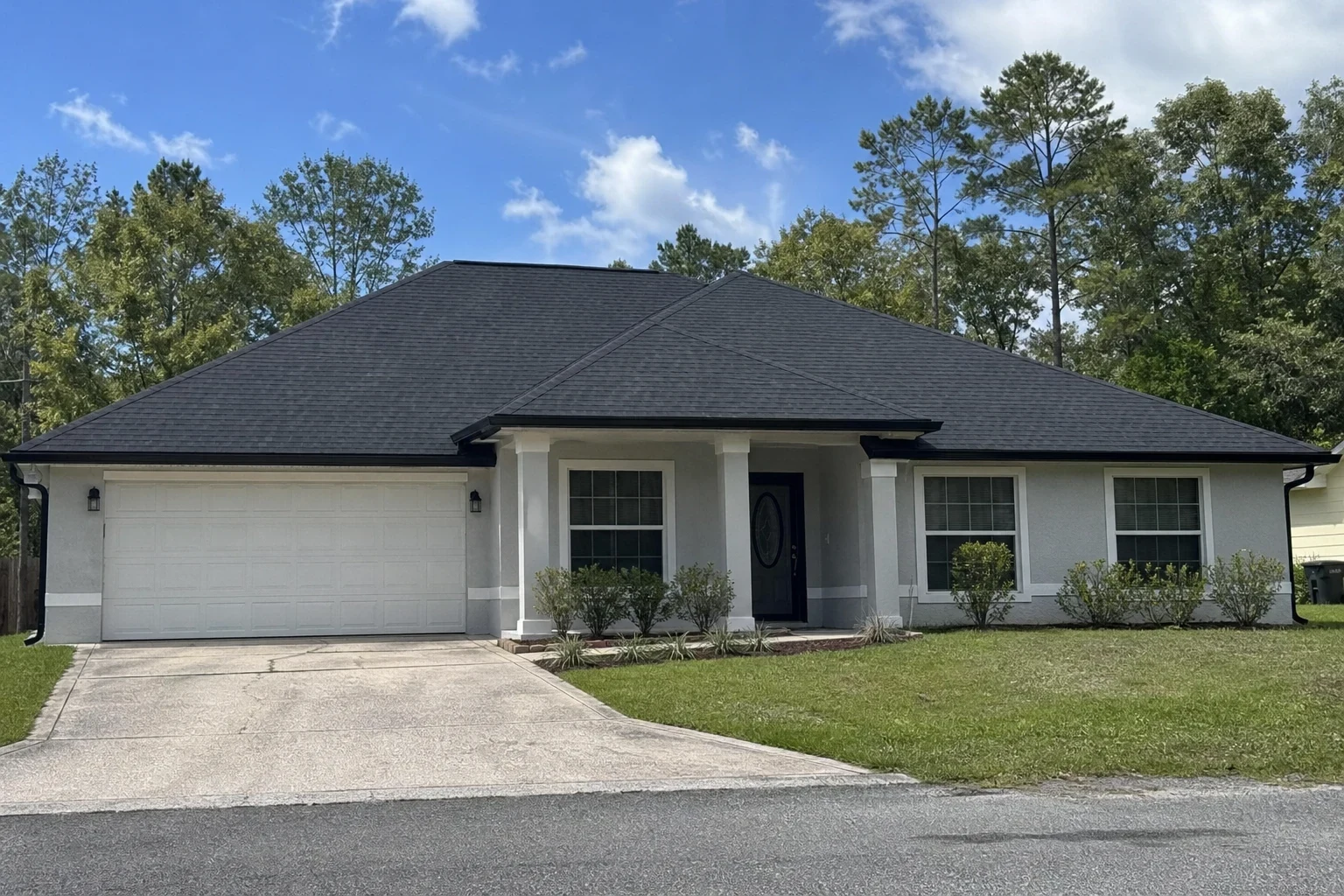
Yes. We're a GAF Certified Installer, so we can put on a shingle roof if that suits your home better. The roof replacement page covers that route.
Want to See Both Options Side by Side?
We'll look at your roof, explain what standing seam and screw-down would mean for your home, and give you a written price for each. No pressure to pick one on the spot.